PDF Blurry After Compression: Practical Fixes That Actually Work
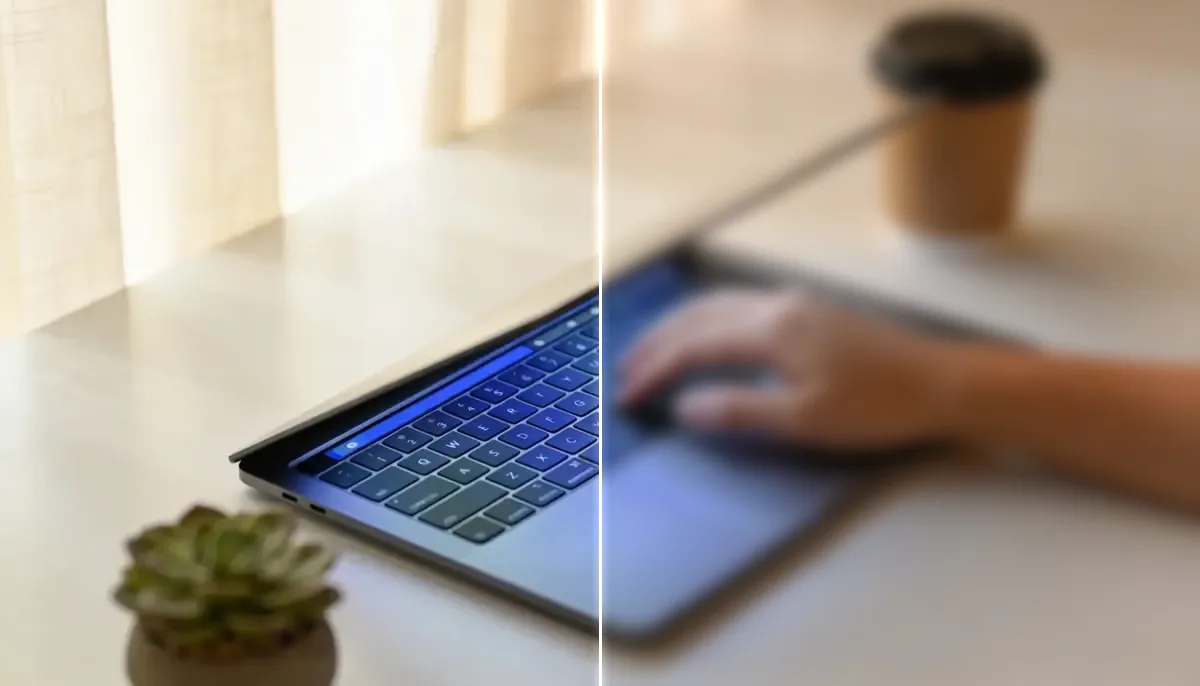
Short answer: PDFs get blurry after compression when the tool downsamples images too aggressively (for example 300 DPI to 72-96 DPI) or recompresses pages with strong JPEG settings. The fix is to use low compression, avoid re-compressing the same file, and optimize only what is necessary.
Why PDF Quality Drops After Compression
Most PDF compressors reduce size by changing image data. If the file contains scans, screenshots, charts, or photos, aggressive compression can make edges soft, text fuzzy, and small details unreadable. This is not a bug — it is the trade-off between size and quality.
- Downsampling: image resolution is reduced (for example from print-quality 300 DPI to web-quality 96 DPI).
- Lossy recompression: JPEG artifacts appear around text and lines.
- Repeated compression: each pass degrades quality further.
- Wrong target: print documents need different settings than mobile previews.
60-Second Diagnosis Checklist
- Open the original and compressed PDF side by side at 200% zoom.
- Check small text, signatures, and fine lines first.
- If only images are blurry, your image compression is too high.
- If everything is blurry, the whole page was rasterized.
- If file size dropped by 70-90%, compression is likely too aggressive.
7 Fixes to Reduce Size Without Ruining Quality
- Start with low compression only: Use Compress PDF on the lightest setting first, then compare quality before going further.
- Compress once, not repeatedly: Always keep the original master file and create one optimized copy.
- Remove unnecessary pages first: If only part of the file is needed, split it with Split PDF before compression.
- Optimize source images before export: A clean source PDF beats any post-fix later.
- Keep 300 DPI for print documents: Invoices, contracts, and forms should stay print-safe.
- Use 150 DPI for screen-only sharing: This is often enough for email and mobile reading.
- Avoid screenshot-to-PDF workflows: Re-exports from screenshots lose clarity quickly.
Recommended Quality Targets
| Use case | Suggested quality | What to optimize |
|---|---|---|
| Email attachment | Medium | Images first, keep text sharp |
| Mobile reading | Medium | Balanced quality/size |
| Archive copy | Low compression | Preserve maximum detail |
| Printing | High quality | Keep 300 DPI assets |
Can You Restore Quality After Over-Compression?
Usually no. Once detail is removed, software can only guess missing pixels. AI upscaling may improve appearance, but it does not truly recover original document fidelity. The best strategy is prevention: keep your original file and compress conservatively.
Best Workflow (Safe and Repeatable)
- Duplicate the original PDF.
- Run one pass in Compress PDF with low settings.
- Compare at 100% and 200% zoom.
- If still too large, remove extra pages with Split PDF or export images better.
- Only then apply medium compression if needed.
If your compressed file is already unreadable, go back to the original and repeat with safer settings. That is faster than trying to rescue a damaged output.
Frequently Asked Questions
Why does my PDF look fine before compression but blurry after?▾
What is the best compression level for readable documents?▾
Can I make a blurry compressed PDF sharp again?▾
Should I use different settings for print and mobile?▾
How do I compress PDF without losing too much quality?▾
Related Articles
Embedded Fonts Missing in PDF? Fix Wrong Text Display in 7 Steps
If your PDF text looks different on another device, missing embedded fonts are usually the reason. Here is how to diagnose and fix it fast. ✅
6 min readCan't Open PDF on iPhone or Android? 6 Instant Fixes (2026)
Struggling to open a PDF file on your iPhone or Android? Learn why you might see a blank screen and how to view your documents without installing heavy apps. ✅
5 min readScanned PDF Text Is Not Selectable - How to Fix It with OCR
Open a scanned PDF and can't highlight or copy any text? It's an image-only PDF with no text layer. Here's why it happens and how OCR fixes it instantly. ✅
6 min read